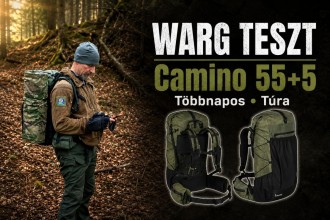






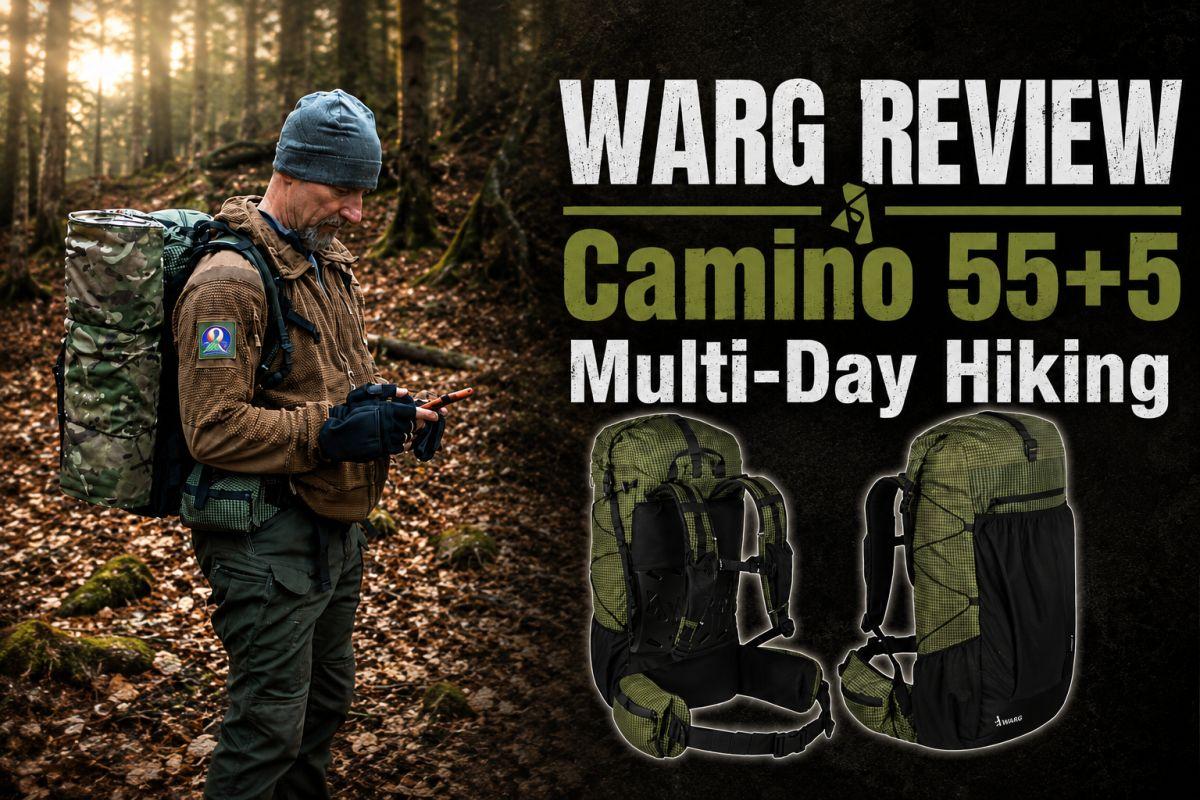
This is not a classic “survival backpack”. It is not a forest of MOLLE webbing, it is not built around military standards, and it was not designed for carrying an axe, a shovel and a week’s supply of canned food. The Camino is primarily made for hiking: multi-day, self-supported trips, where efficiency, reduced weight and freedom of movement matter more than armoured survivability. And that is an important distinction – not a flaw, but a deliberate design choice.
And this is where the first surprise arrives. For many people, the “ultralight” label is automatically associated with fragility. Yet the Camino already suggests, the moment you pick it up, that it is no porcelain figurine. The materials, stitching and reinforced load-bearing points all suggest that the designers were not thinking only in catalogue photos, but also in real trail use. Within its category, the pack gives a distinctly durable impression, and this may be especially important for those who do not hike in sterile conditions, but among bushes, rocky trails and changing weather.

The 55+5 litre capacity is already a deliberate choice in itself. This is the kind of volume that is enough for a multi-day, self-supported hike with a tent, sleeping bag and cooking kit - but does not yet tempt you into overpacking. The +5 litre extension provides exactly the kind of flexibility that becomes critical on longer trips: food for the first days, wet gear, or an extra layer in bad weather. No more, no less - just enough for what is needed.
The Camino’s design fits well with the mindset of modern hiking. Clean, functional, free of unnecessary clutter. The focus is not on the “let’s attach absolutely everything to it” philosophy, but on making sure that what we do carry can be packed well, carried stably and remain comfortable over long hours. This way of thinking is closer to long-distance hiking and thru-hike style journeys than to classic bushcraft or survival use – and the pack does not try to hide this.
Viewed through military or survival eyes, the Camino is more instructive than exemplary. It was not designed for that world, but it clearly shows how strongly the balance of weight–comfort–durability has come to the forefront in the civilian outdoor segment. It is no coincidence that some modern armies and special units are also paying increasing attention to ergonomics and the reduction of unnecessary weight – even if their priorities are completely different.
The Camino is, of course, not military equipment, but it clearly shows the direction in which the civilian outdoor world is moving: less weight, better movement, and a load that can be sustained over longer distances.
The Warg Camino 55+5 L is therefore not a survival pack, and it does not want to be one. However, among ultralight hiking backpacks, it is a surprisingly grounded and realistic piece of gear. It is a tool for those who walk a lot, care about weight, but do not want to spend the whole trip worrying about their equipment.
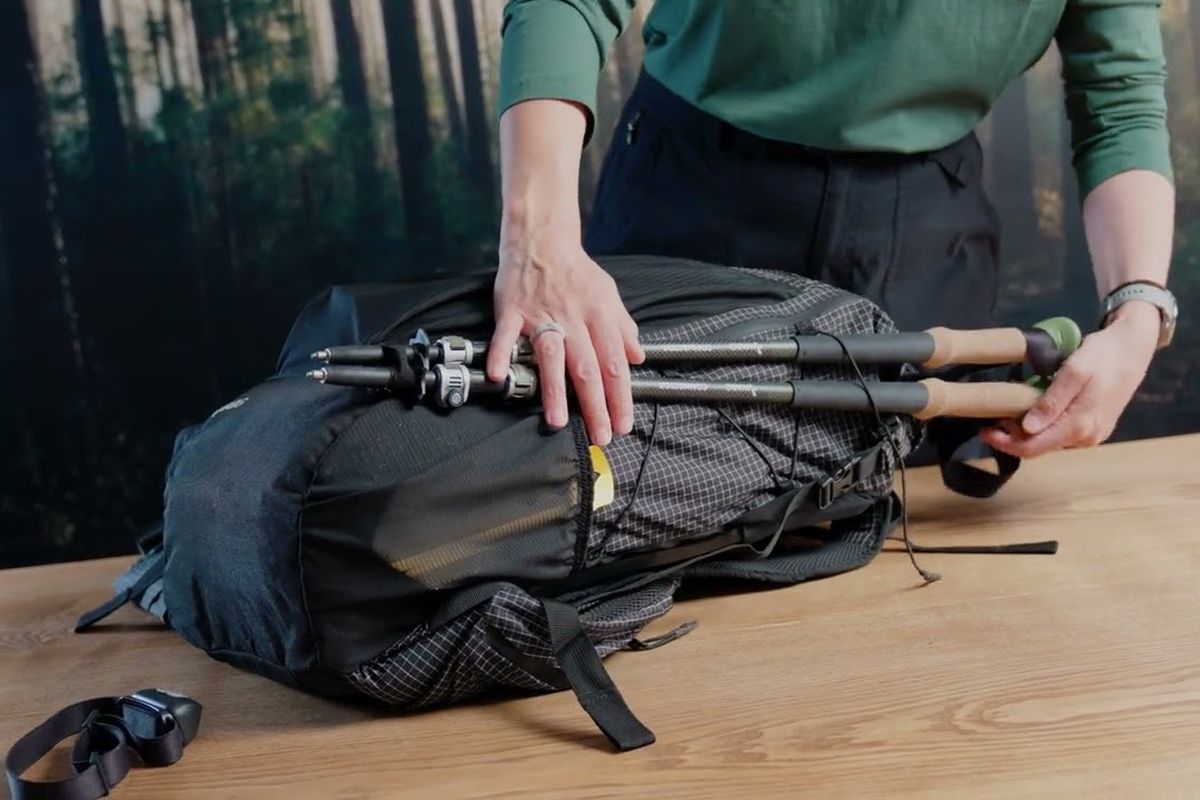
This is the point where theory ends and practice begins. The real questions come only after this: how does it behave under load, what is it like to carry over longer distances, where are its strengths and where do its limits begin? The following chapters will deal with exactly that – measurable data, practical experience and impressions gathered on the trail.
First impressions
After the backpacks I usually use, which are stronger and heavier than average, this felt unusual to me, because this pack is strikingly light even for its size. When you pick it up, you barely notice the weight, yet its construction is surprisingly robust; it is light, but still gives a strong impression. It was a particularly good feeling not to be holding a pack made from some membrane-thin fabric.
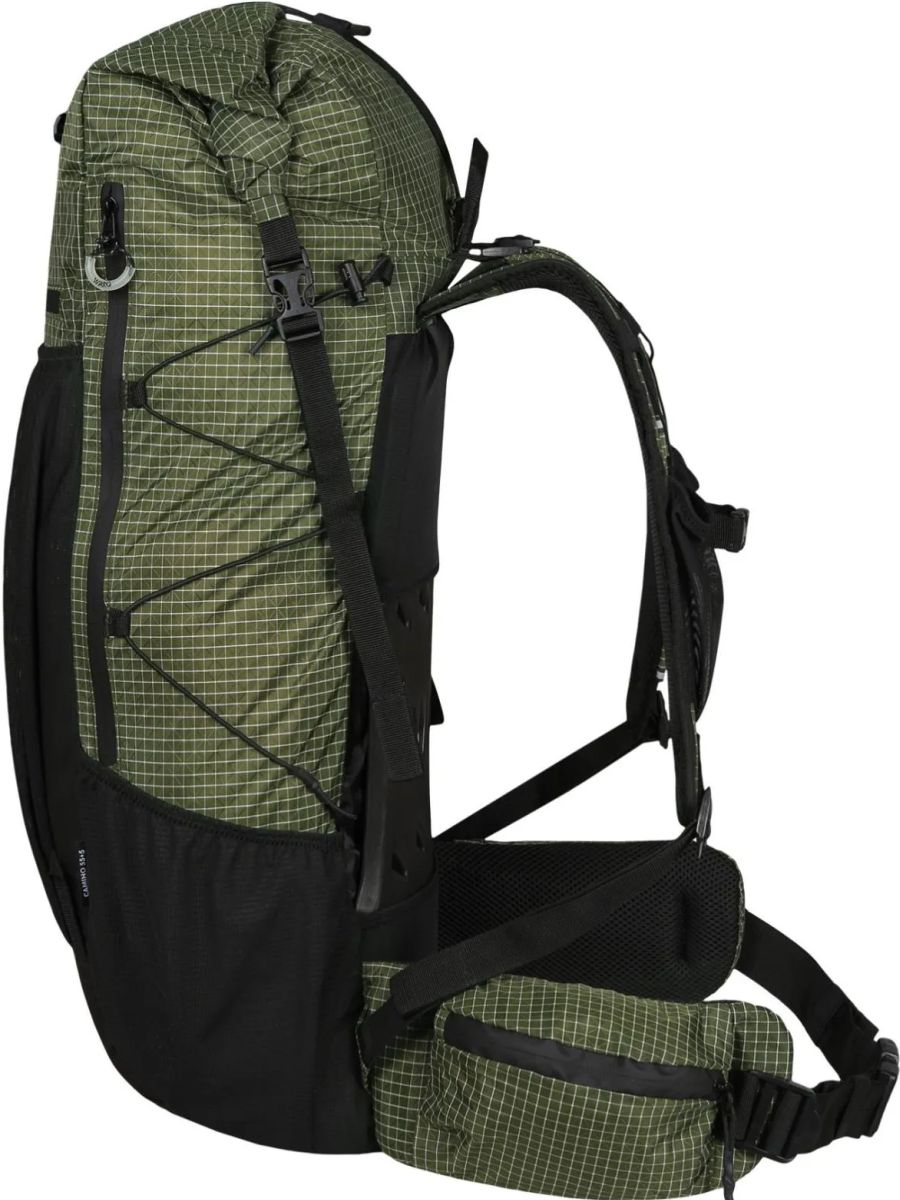
The shoulder straps, hip belt and back construction — which I will discuss separately later — are stable, strong and comfortable. These impressions were confirmed on the first test hike as well: even with a 10-12 kg load, it remained perfectly comfortable. The top closure is also unusual, since the roll-top solution is more commonly associated with waterproof bags, or very large duffel-style load bags.
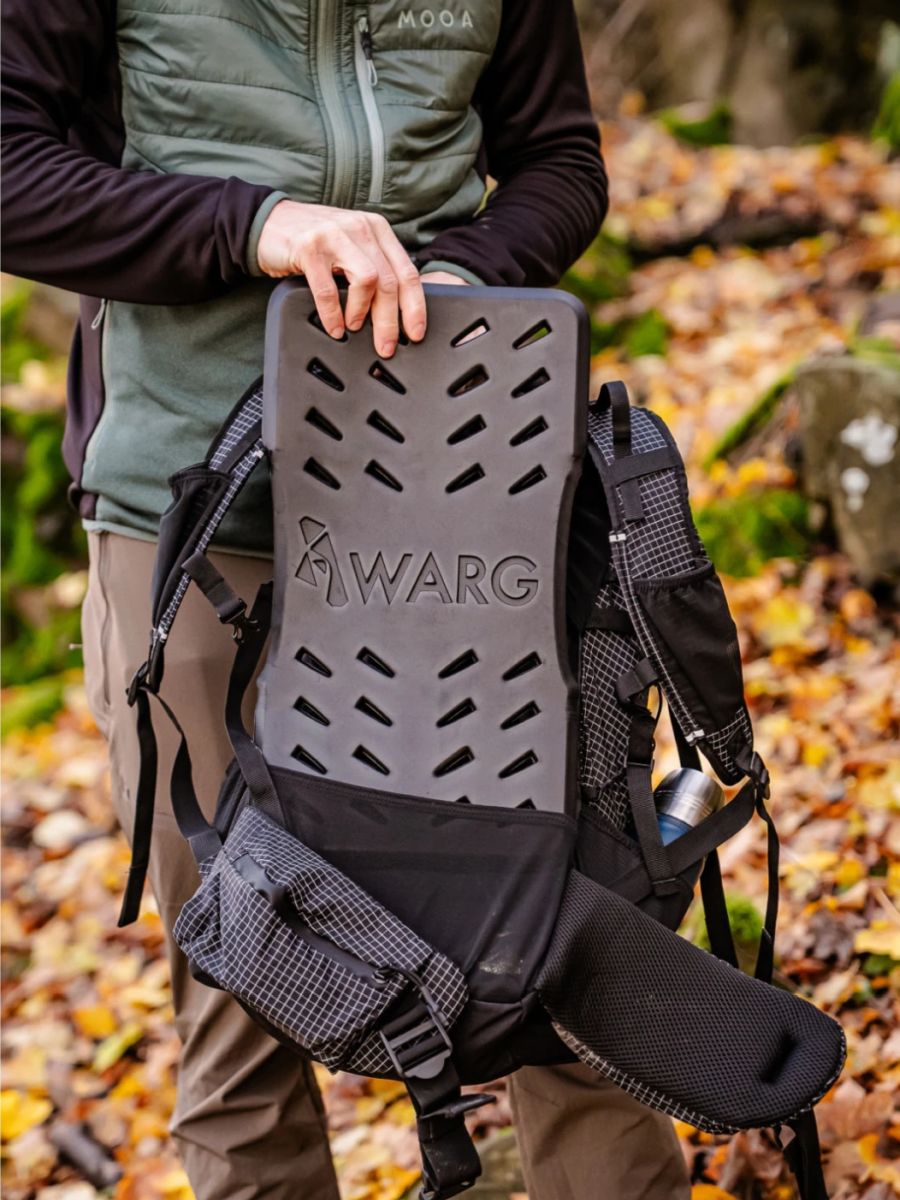
The extras that are noticeable at first sight: back reinforcement — which is removable, practical and greatly improves the comfort of the pack — the side access option, and the many small thoughtful details designed to make the hiker’s life easier. I will also go into these in detail based on the test experience.
Data
Size: 54 (+25) cm x 28 cm x 19 cm
Capacity: 55 + 5 litres
Weight: 835 g
Material: Nylon Dyneema Ripstop
WARG CAMINO 55+5 experience, design and materials
During both shorter fast backpacking trips and longer, multi-day hikes, the WARG CAMINO pack performed exceptionally well for me. Why do I consider this important to point out? Those who have read my previous reviews know that for me, weight is secondary. Because of my hiking style, durability, easy access, and the comfortable, dynamic carrying of heavier loads matter much more. The WARG CAMINO, however - despite the ultralight label - is strong, durable and handles bushy, off-trail hiking well; in fact, it remains quite comfortable even with heavier loads, although it was not designed for that. This means it handles unexpected situations better, gives more support in such cases, and thereby helps protect the wearer.
During fast backpacking, it remains sufficiently stable even when moving quickly. With proper packing — which is essential anyway... — it follows the movement of the body perfectly, does not swing around, and does not ruin the rhythm of movement. The internal frame, the shape and the good placement of the small storage pockets all help with this. The hip belt and shoulder straps can be adjusted easily while moving, and they do not shift even under greater weight and/or more forceful movement.
On multi-day hikes, in addition to the above, ventilation and easy access were what brought a smile to my face. Obviously, in terms of the latter, it is not like the packs I usually use, because the WARG CAMINO is cleaner, more “streamlined” and simpler - but that is exactly what it was designed for.
Details
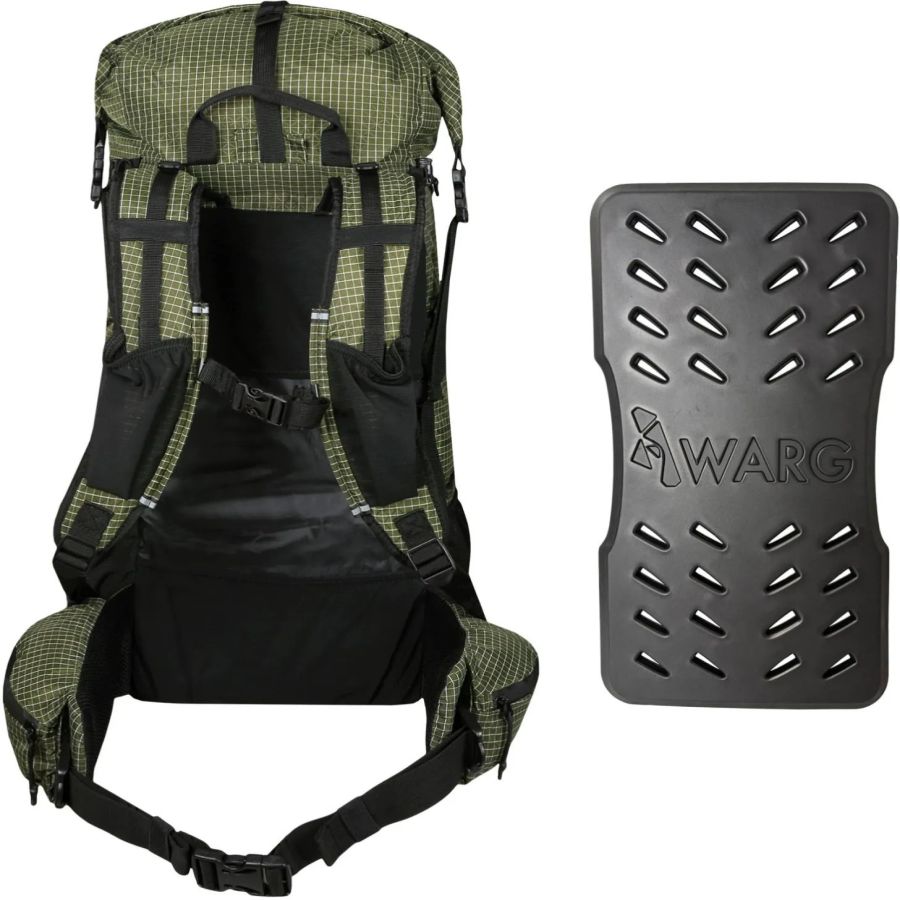
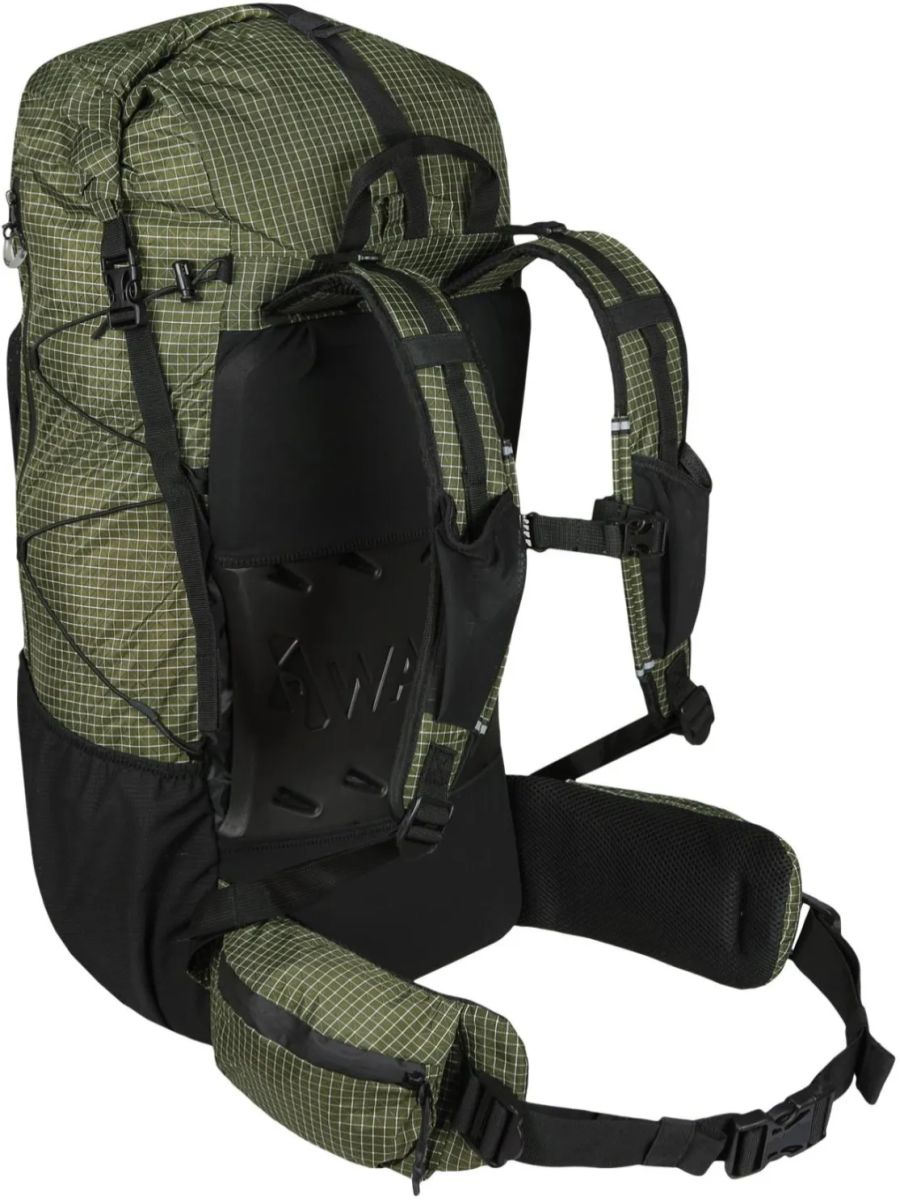
One of the pack’s basic features, and one that is less common among UL packs, is the internal frame. This is a very light, simple aluminium stay, which can be removed easily (interesting detail for the gram-counters: 23 g in total, measured at home). However, the fact that it gives structure to the pack matters a lot to me, because the sudden, quick movements I often face can quickly cause instability in frameless packs.
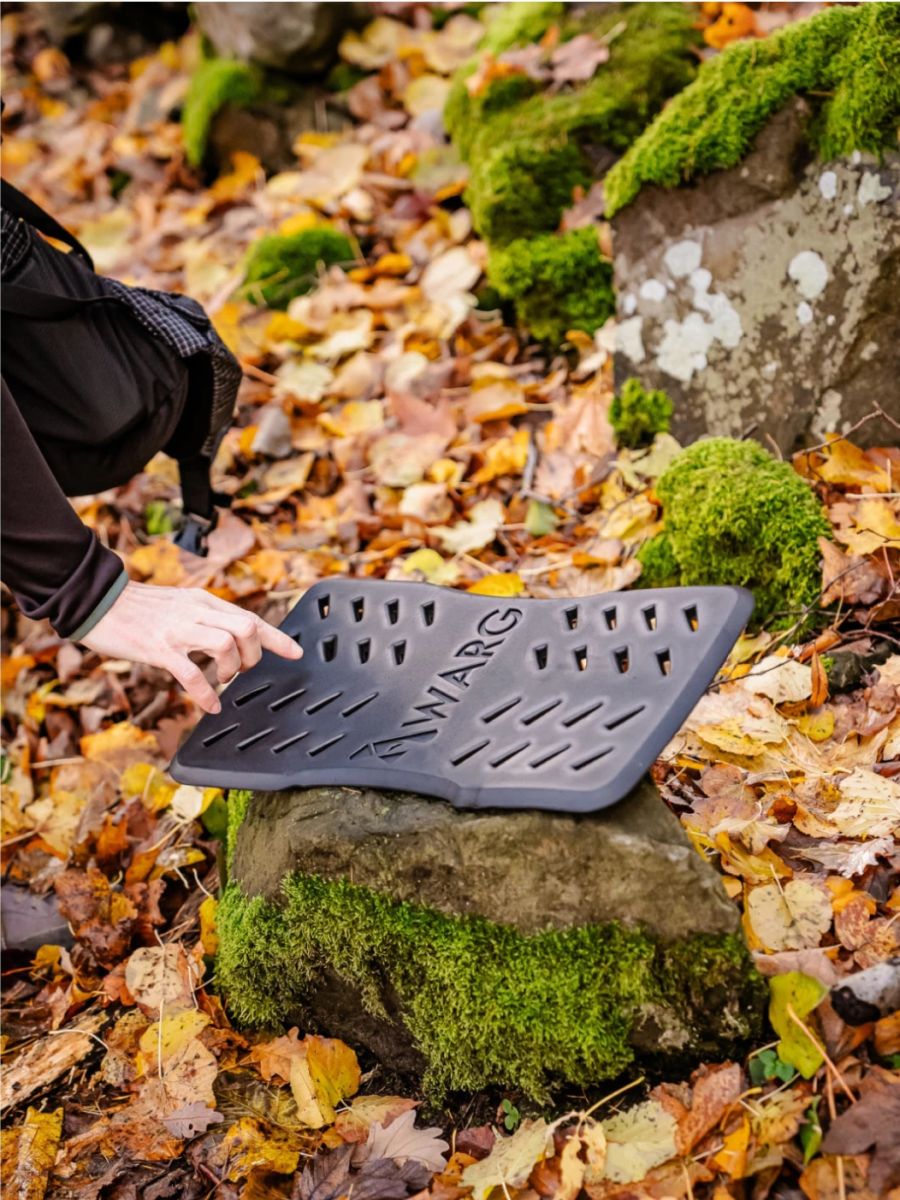
Another excellent element of the back support is the EVA foam pad, which is easy to remove and can be used as a sitting pad or even as an addition to a sleeping setup. You can also replace it with your own thinner sleeping mat. (interesting detail for the gram-counters: 35 g in total, measured at home)
The shoulder straps were a particularly pleasant surprise for me: they are fairly wide and very thin, but made from such strong foam that they distribute the load well, and I had no problem with them even on longer hikes. If I were the designers, I would cut one or two ventilation openings into the foam, but I think the lack of these will only bother a small number of people. The hip belt — which, in the case of a loaded pack, plays a major role in comfort and therefore efficiency on long hikes — is quite wide and comfortable. For me it is a little too “soft”, but I am used to something else. On multi-day hikes it did its job perfectly.
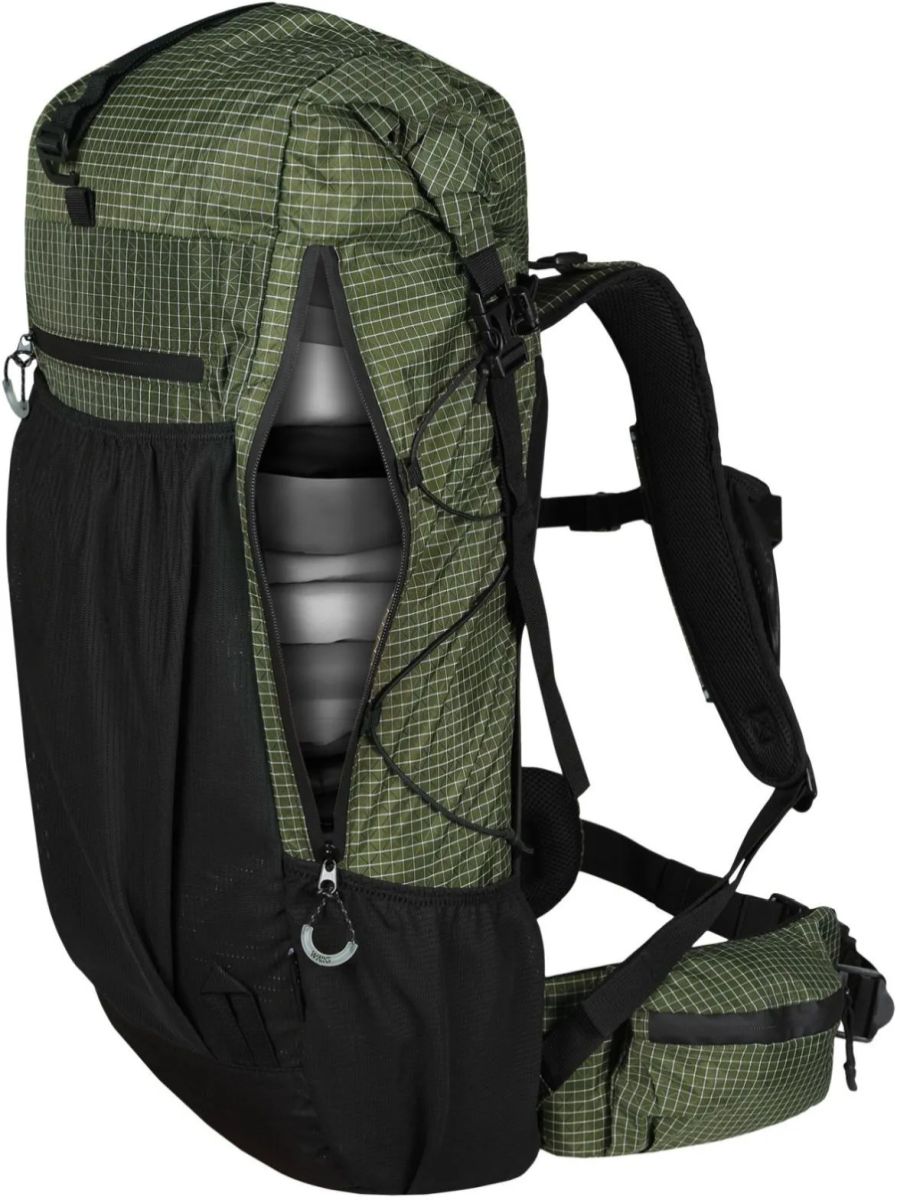
The Dyneema Ripstop fabric really is strong — I tested it in several “not-normal” places — light, yet it still has structure. This also helps the pack keep its shape and remain stable while moving. Its water resistance is surprisingly good as well: it handles light rain and snowfall, but in heavier rain it will eventually soak through. This can be countered either with a rain cover or with proper waterproof packing - though of course both mean “extra” weight. It depends on what matters most to you...
Extras
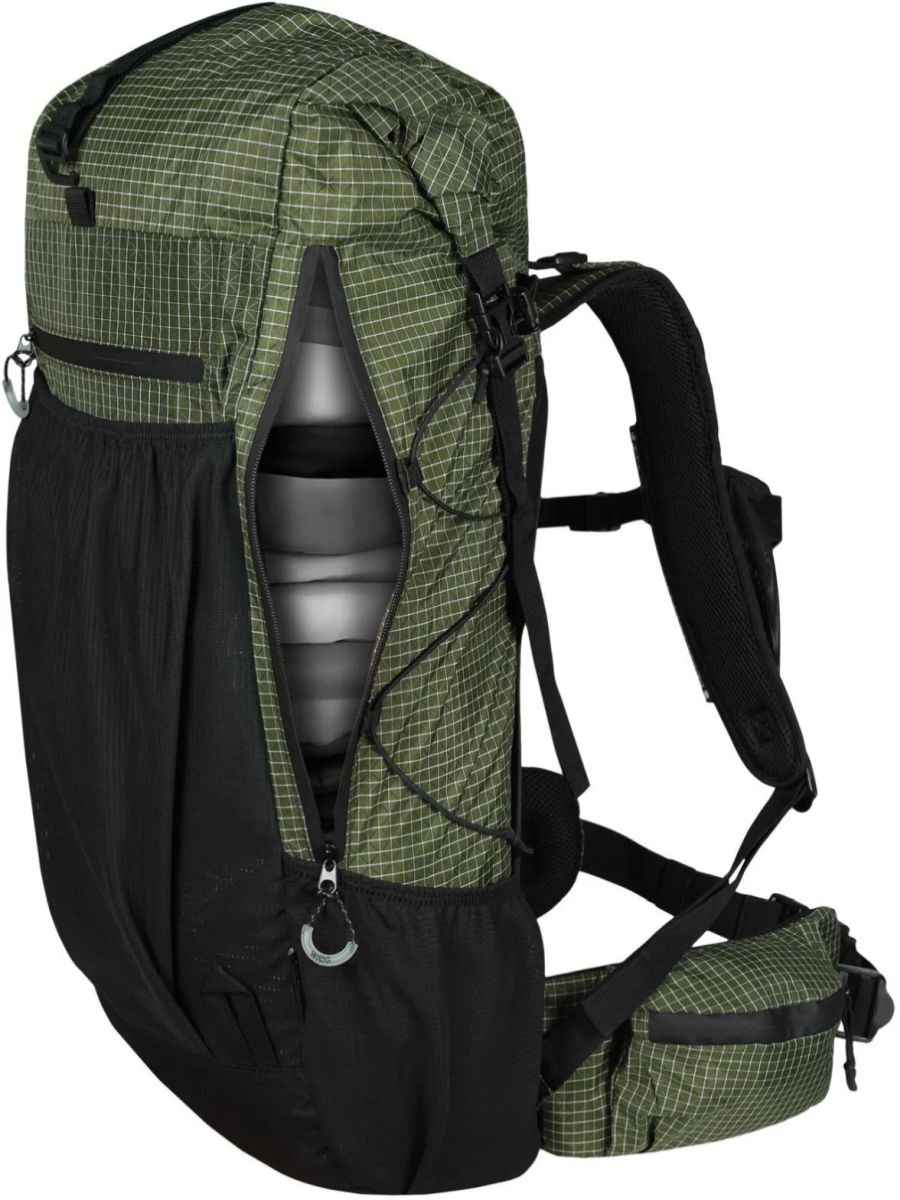
The side access is an incredibly practical feature - if you pack well, you can drastically reduce the time needed to reach your gear, which is not only more convenient and saves time, but also reduces the chance of mistakes. It is harder to lose something or leave something out of the pack if the system is clear and access is secured from more than one direction.
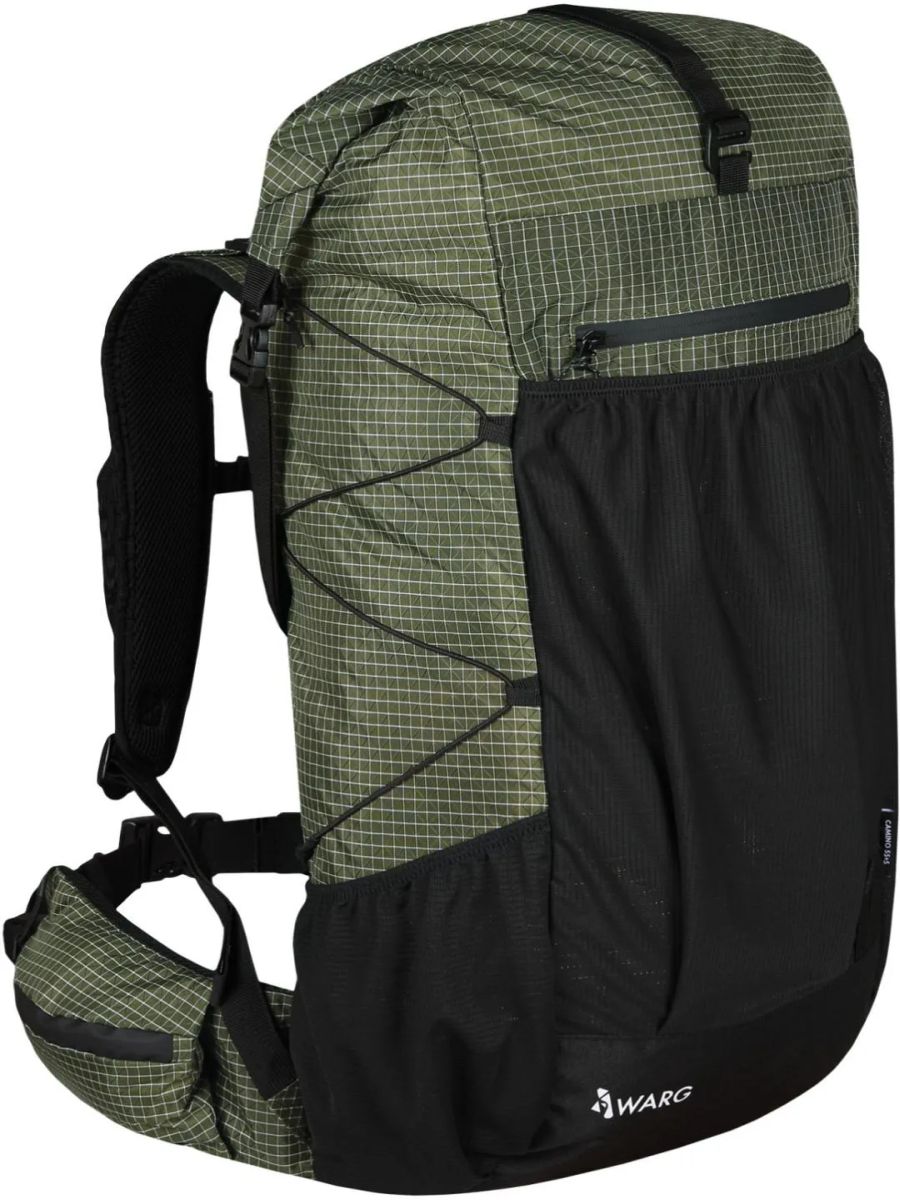
One of the keys to good packing is the presence and placement of all kinds of small pockets. Of course, it is still possible to pack badly even when these exist, but with a little practice they can make life much easier. The large front pocket is useful for wet items or larger compressible things; the small pockets on both sides of the hip belt are comfortable and spacious. On the shoulder straps there is also room for small items or a soft flask.
For me, one “benchmark” feature of a backpack is the direction in which the hip belt can be tightened. The classic “from the centre backwards” solution is sufficient in most cases, but in more difficult situations — access, reach — it does not work particularly well. On “good” packs, the “from the back towards the centre” tightening direction is always the more usable solution; I have even had a pack where I replaced this part for exactly that reason. The WARG CAMINO hip belt uses this latter solution. Perhaps in the UL category this is not such a burning issue, since heavy loads are generally not expected, but after speaking with people who have completed genuinely multi-week or multi-month thru-hikes, it is clear that sometimes there is a need to carry greater weight. And then it matters.
Recommendation and summary
+ what I liked
-
material
-
side opening
-
hip belt
- clever frame solution
-
small pockets and storage options
- hip belt closure and adjustment
- what I did not like
-
I miss the top lid with small pockets — but this is very personal
* suggested improvement
- ventilation openings on the shoulder straps
Technical rating 4.27
|
Weight |
5 |
835 g - for the quality, materials and construction, the sub-1 kg weight is outstanding! |
|||||
|
Material |
5 |
Nylon Dyneema Ripstop, 1000D Cordura, Warg waterproof zippers |
|||||
|
Ease of use |
5 | easy to handle in every detail | |||||
|
Durability, toughness |
5 | within its category, it would deserve an extra point for this! | |||||
|
Suspension system |
4 |
very comfortable, but not adjustable and there is no ventilation on the shoulder straps |
|||||
|
Top pocket |
1 |
none - this is not unusual in this category, but I missed it |
|||||
|
Internal layout |
5 | easy to use, spacious, very packable + side access | |||||
|
Pockets |
5 |
well laid out, sufficient in number + hydration bladder sleeve |
|||||
|
Lower compartment |
0 |
none, but it is not needed |
|||||
|
MOLLE |
0 | none, but it is not needed | |||||
|
Other tools and straps |
5 |
hydration tube port, compression and carrying straps, reinforced bottom section |
|||||
|
Rain cover |
2 |
none, and there is no dedicated space for one - although the fabric itself is fairly strong and moderately water-resistant |
|||||
|
Extras |
5 | removable, multi-purpose frame support, hip belt, roll-top closure (+5 litres) | |||||
| Overall score |
4.27 |
Official sources and references
Warg Camino 55+5 L – manufacturer and retailer product page: https://www.4camping.hu/p/warg-camino-55-5-l-ultrakoennyu-hatizsak/
UL backpacking principles and load compromise: Andrew Skurka – The Ultimate Hiker’s Gear Guide
Comparison of military and civilian backpack design principles: US Army Natick Soldier Center – Load Carriage Systems publications
Kirk, J., Chui, K., Tsai, Y.-S., Houston, V., & Ling, W. (2004). Women's Load Carriage Performance Using Modular Lightweight Load-Carrying Equipment. Military Medicine, 169(11), 914–919. https://doi.org/10.7205/MILMED.169.11.914